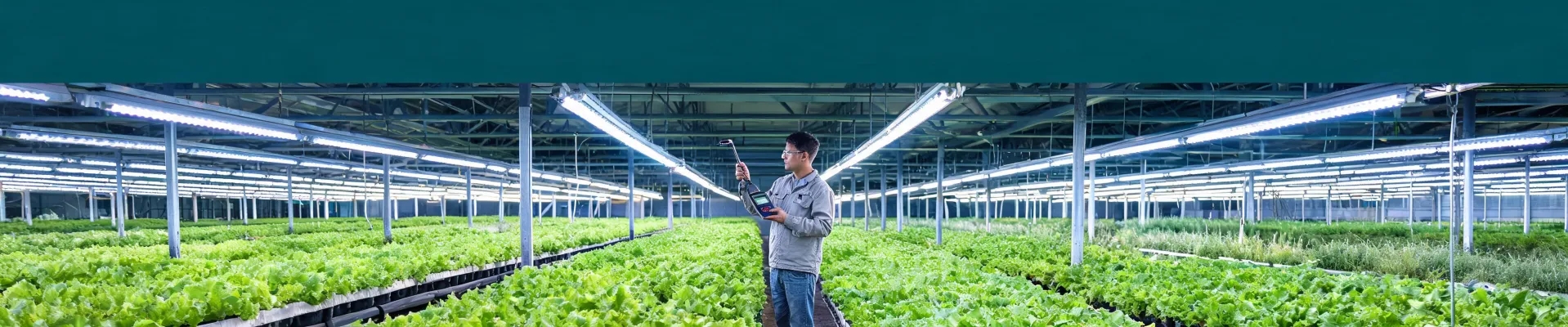
Since 2020, I’ve been the office administrator for a 140-person controlled-environment agriculture company. We run three greenhouse sites, a small vertical-farm R&D room, and a 12,000-square-foot office, so the lighting orders that cross my desk range from Gavita grow lights for the crop teams to recessed downlights for the building team. I manage roughly $400,000 in annual lighting spend across a dozen or so vendors, and I report to both operations and finance—which is a polite way of saying I’m the one who explains why a bad purchase looked like a good idea at the time.
I’ll state my opinion plainly: the brand on the fixture matters less than how easily the supplier can be audited. A glossy website tells you what a company wants you to think. A spec sheet, compliance documentation, and a salesperson who says “this isn’t right for you” tell you what it will actually be like to do business with them.
The Downlight Order That Turned Me Into a Documentation Snob
In 2021, our office renovation needed 60 recessed downlights. I found a source whose price came in about 35% below the other quotes. The downlight catalog looked professional, product names were clean, lead times were short. I asked for photometric files and certification documents twice before ordering. Both times, the rep sent the same marketing brochure.
The fixtures arrived without UL/ETL certification marks on the housings. Our electrician flagged it, our insurance broker had questions, and finance withheld the final invoice. Then the vendor stopped answering email. We replaced every unit. The reorder cost us about $14,000 from a project contingency that wasn’t designed to absorb it.
Why does that matter for grow lights? Because the same pattern repeats in horticultural lighting: flashy product pages, vague performance claims, and not enough documentation to verify any of it. What I ask for before a PO goes out is fairly short:
- IES or LM-80 data if performance is being claimed
- UL, ETL, DLC, or CE documentation that matches the exact model number
- Warranty terms in writing
- A human being who answers questions after the order is placed
When I first looked at the Gavita spec pages for the Pro 1700E and the rest of the lineup, the contrast was noticeable. The documentation was easy to find. That alone didn’t win the order, but it got Gavita into the evaluation instead of the “maybe” pile. In procurement, getting quickly into the evaluable pile is genuine value.
About Those “Gavita Plasma Grow Light” Searches
One search phrase I still see when I research lighting is “gavita plasma grow light.” I understand why it lingers. Plasma was a serious idea in horticultural lighting about a decade ago, and old forum posts don’t vanish just because the industry moved on.
Honestly, I can’t speak to plasma from deep first-hand experience. I came into this purchasing role after the plasma debate had mostly settled. What I remember is the pattern: an exciting new technology, aggressive claims, and not enough third-party data to tell which marketing promise would survive contact with a real grow room.
In our 2023 propagation-room relight, we compared the current-generation LED options and went with Gavita’s LED line rather than chasing an earlier technology. I’m not going to quote exact energy or yield numbers, because that trial wasn’t a perfectly controlled comparison—we upgraded climate controls in the same period. What I can tell you is the operational difference was clear: fewer lamp changes, simpler dimming, less heat to manage. For a facilities person, heat load is a big deal. Plasma fixtures were not bad equipment, in my view; the economics just stopped making sense as LED efficiency improved.
That experience shaped how I think about choosing a grow light supplier. A good supplier doesn’t ask you to believe that a technology buzzword from ten years ago is still the shortcut to results. It hands you current specs and lets the data do the work.
Downlight OEM vs. Private Label: Which Should You Choose?
Our 2024 warehouse conversion got me thinking about the phrase “downlight OEM vs private label” from a buyer’s perspective. An electrical contractor asked whether we’d be sourcing the downlights as OEM or private label. The honest answer was “neither, we’re just buying from a catalog.” But the question matters if you’re a distributor, an electrical contractor with your own house brand, or a procurement team ordering large volumes.
The way I explain the difference to myself is: private label starts with an existing product in a supplier’s downlight catalog. You put your brand on it, and the manufacturer keeps the engineering and testing as they already exist. OEM/ODM starts with your specification—different driver, different optics, custom housing—and the product does not exist until someone designs and qualifies it.
Which do I prefer? It depends on who holds the risk. With private label, the risk sits with the manufacturer’s existing product. With true OEM, a buyer can invest thousands in engineering and certification before the first unit ships. So I’d argue that most businesses should start with private label unless the order volume truly justifies custom engineering. The exception is if you have a clear specification and the volume to amortize the cost.
None of that is unique to Gavita, but it’s part of why I looked at their commercial lighting options seriously. They publish a clear catalog for standard purchasing, and they’re open about the B2B private label and OEM route without forcing every conversation through a salesperson. That transparency is the quality I’m actually paying for.
Why Gavita Grow Lights Made Our Approved Supplier List
In 2024, we consolidated lighting vendors from twelve down to five. Gavita made the cut. The reasons weren’t glamorous:
The product line maps to grow stages and positions, which helps our site managers select fixtures: Pro and CT models for overhead, Under Canopy for lower canopy, Clone Bar for propagation, and UV for specific crop applications. When someone moves between sites, the selection logic doesn’t change. That reduces operator error and, therefore, warranty calls.
The documentation is available before purchase. For a buyer, that saves a multi-week email exchange with a rep who doesn’t know what an IES file is. It sounds trivial, but if you manage hundreds of orders a year, supplier self-service is as valuable as fixture efficiency.
The vendor was also honest about what we shouldn’t buy. During our discussions, they told us which products were not relevant to our propagation rooms. That “no” was more convincing than any sales pitch. When a supplier tells you what not to buy, you trust their recommendation for what to buy.
Are they the cheapest option? No. But I’ve already paid the price for speculative lighting purchases, and that 2021 downlight order still stings. What I buy with a Gavita PO is certainty around specs and compliance. For a procurement decision, that certainty is part of the product.
The Honest Caveat
I’m aware this sounds like a long way of saying “we like Gavita.” Let me add the reverse side.
If you’re a home grower with a small tent, a commercial-grade Gavita fixture is probably more than you need, and I’d tell you to look at the consumer category first. Our buying decisions are for commercial facilities where compliance, uniformity, and warranty service matter more than sticker price.
And if you came looking for “gavita plasma grow light” because you believe plasma is still the frontier, I’d gently point you toward the current LED lines instead. That phrase is more history lesson than buying recommendation in 2026. My own experience is narrow—I can’t speak to every crop type or every facility layout. What I do know is the procurement side, and from that angle, the principle holds: choose a supplier whose honesty you can verify.
Per FTC guidance (ftc.gov), performance claims have to be substantiated. I think commercial buyers should hold lighting vendors to that same standard. If someone says a fixture saves 80% energy or delivers dramatically better coverage but won’t share the test data, that’s not a sales opportunity. That’s a risk transfer from the vendor to you.
What I Actually Recommend
If someone asks me for the best grow light supplier, I don’t answer with “this brand, because it’s superior.” I answer with how I buy: verify specs before you commit, ask for compliance documentation, and watch what the vendor says when their product isn’t the right fit. Then re-read the spec sheets and see whether their claims stayed consistent.
I don’t need a lighting supplier to be my friend. I need them to be inspectable long after the purchase order is signed.
That process is what put Gavita grow lights on our approved list—not a logo, not a catchy claim, and certainly not a decade-old plasma keyword. It’s the audit trail that keeps a supplier honest after the invoice is paid. For a buyer who has had to explain a $14,000 mistake to finance, that’s the feature I value most.

Clara Whitmore
Clara Whitmore is a lighting photometry and LED source analyst specializing in bulbs, tubes, strips, panels, and integrated luminaires. She interprets IES LM-79 measurements and TM-30 color rendition data through luminous flux, efficacy, intensity distribution, CCT, chromaticity, fidelity, and gamut metrics. She writes evidence-led comparisons for specifiers selecting source formats and luminaires for commercial interiors, industrial spaces, or horticultural systems where measured optical and color performance matter.